

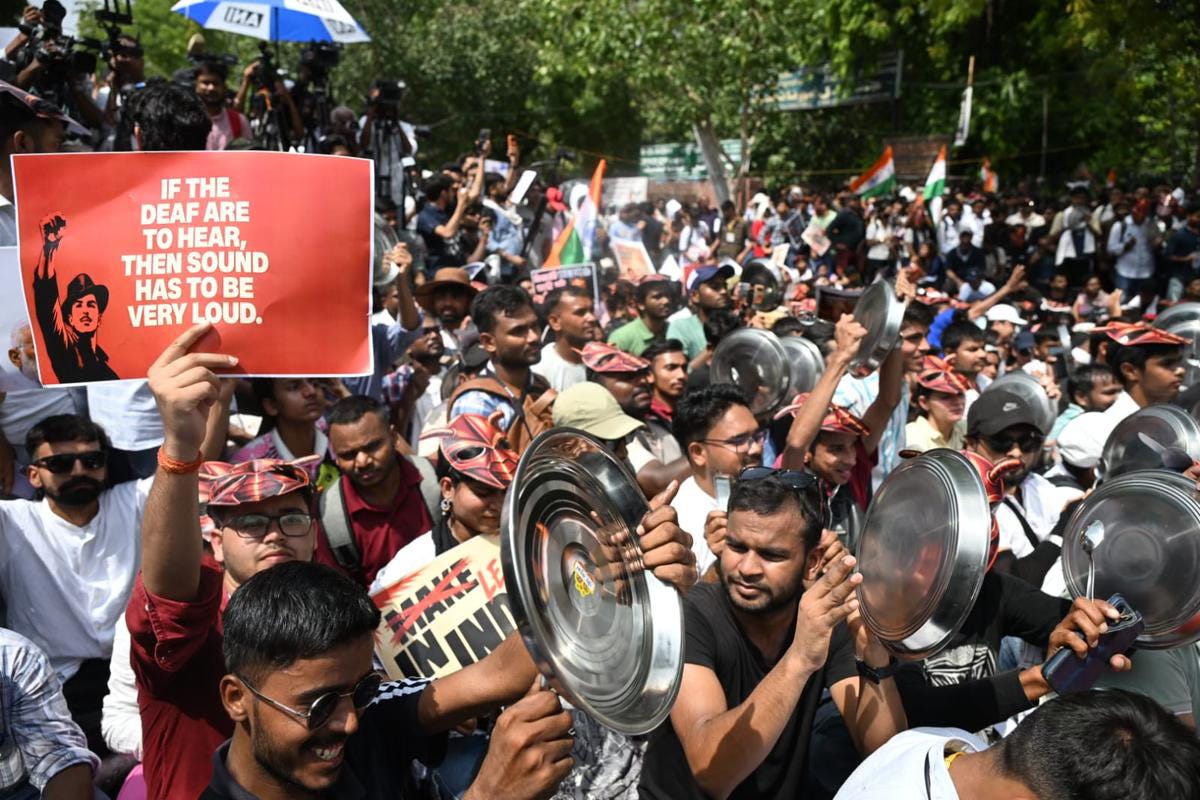
Our focus here has always been rooted in history and deep cultural storytelling. As the editor of Bohemian Dialogue. I originally shaped this space as a refuge when I grew tired of the West and sought grounding in India’s own story; a personal search for solace in the spirit like Nehru discovering India in his book .
“A country under foreign domination seeks escape from the present in dreams of a vanished age, and finds consolation in visions of past greatness. That is a foolish and dangerous pastime in which many of us indulge. An equally questionable practice for us in India is to imagine that we are still spiritually great though we have come down in the world in other respects. Spiritual or any other greatness cannot be founded on lack of freedom and opportunity, or on starvation and misery.”
― Jawaharlal Nehru, The Discovery of India
Yet love for one’s home carries its own weight. As my attachment to India deepens, so does my disillusionment; I am trapped between a heavy heart for its people and a growing sorrow for the state.
Many of us are feeling that same surge of anger right now over the recent CJP (Cockroach Janta Party) protest. Like so many others, I initially paid little attention. We as Indians often operate on a high level of collective apathy. However, my indifference completely shattered when I realized Sonam Wangchuk’s hunger strike had passed the two-week mark. People can spin endless conspiracy theories, but putting your body through a hunger strike for that long bypasses all speculation. I decided to join the movement, and when I learned the next morning that Wangchuk had been detained, my anger boiled over. Fueled by outrage, I left for Jantar Mantar.
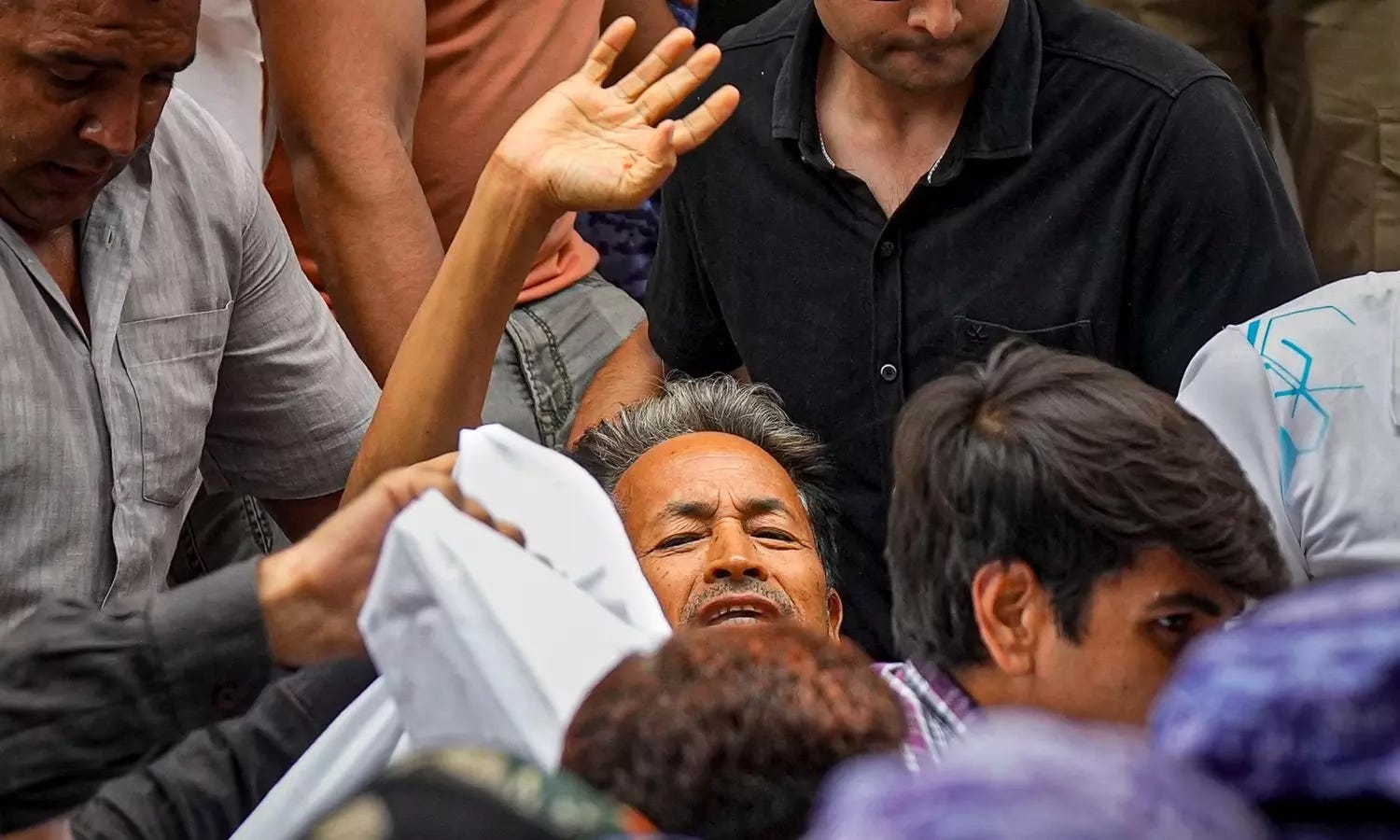
I went to the protest grounds with a friend, where I found a sea of faces younger than my own, enduring Delhi’s blistering heat and humidity just to take a stand.
At 29, standing among them, I realized that cynicism is a luxury we can’t afford. I could easily choose apathy, but it is our moral responsibility to model optimism so the generation behind us doesn’t lose faith in this country.
As I listened to the founder of the movement, Abhijeet Dipke, speak with raw anger about Wangchuk’s detention, a realization began to form. Watching someone commit entirely to non-violence, and witnessing state force used against them in return, shocks something deep in our human psyche. It cuts straight past our primitive instincts. Standing there, I finally understood why Mahatma Gandhi’s Satyagraha held such transformative power.
CJP’s Demands
The Cockroach Janta Party (CJP) have clearly outlined three core demands to the government:
Immediate release of Mr. Sonam Wangchuk, with no restrictions or prohibitions on his movements.
The resignation or sacking of Union Education Minister Dharmendra Pradhan.
₹1 Crore compensation for the families of all NEET aspirants who tragically lost their lives to suicide following examination paper leaks.
Driven by that thought, I left Jantar Mantar to Gandhi Smriti, sitting in quiet reflection
Nonviolence is a weapon of the strong.
― Mahatma Gandhi
On July 20th, CJP began its march to Parliament. Central Delhi filled with thousands, the kind of massive turnout essential to make power listen. Yet, within moments, police deployed tear gas and lathi-charged the crowd.
When I saw the brutality, I found myself wanting to scream:
They just wanted to conduct a peaceful protest.
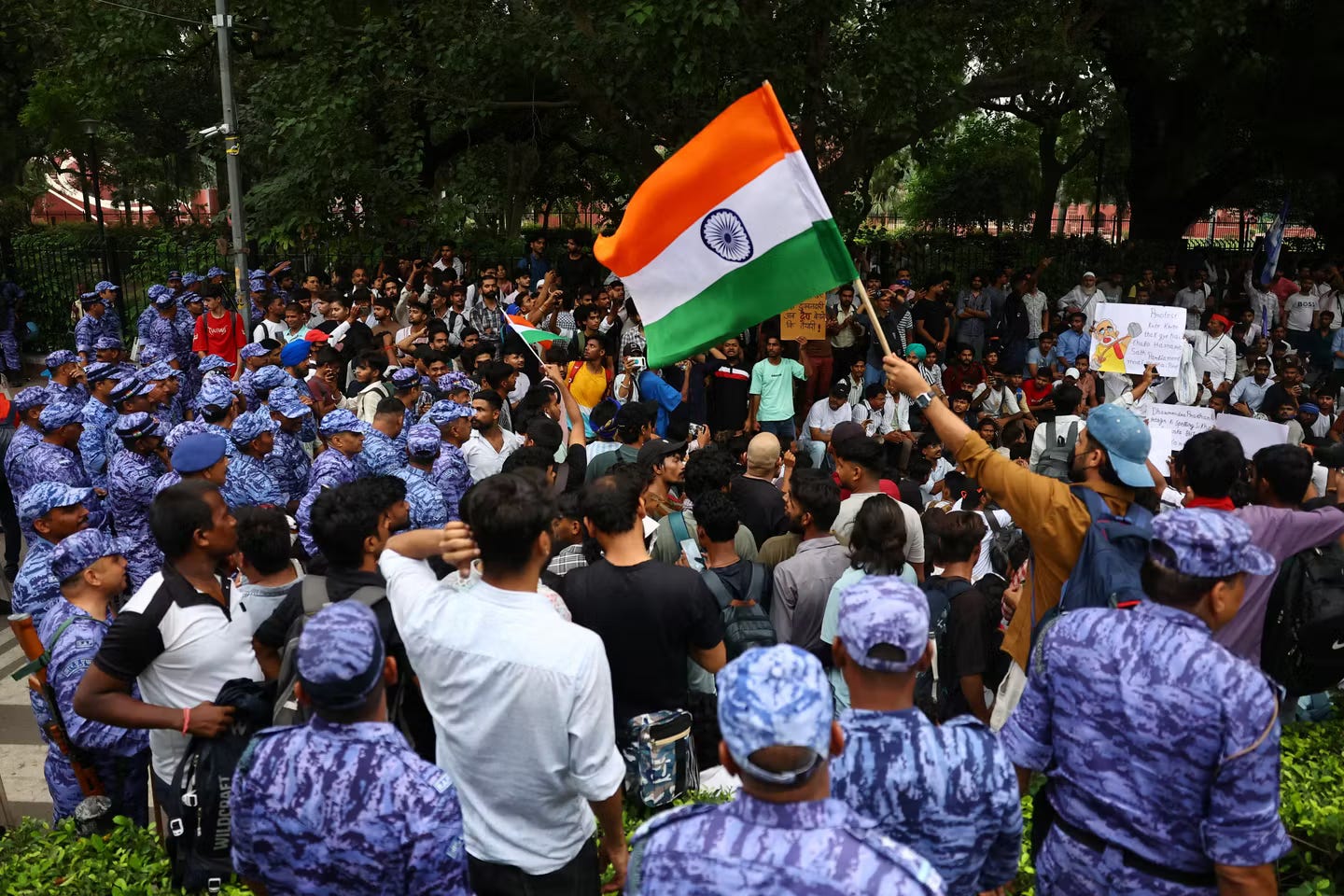
Suddenly, a childhood memory surfaced. I was 9 or 10 years old at my cousin’s house, both of us glued to the TV watching Rang De Basanti. As Khoon Chala played over scenes of police beating peaceful protesters, she began to cry. I watched her then, bewildered by her tears. Now, to watch CJP protest march, I finally felt what she felt.