

Handcrafted with Care
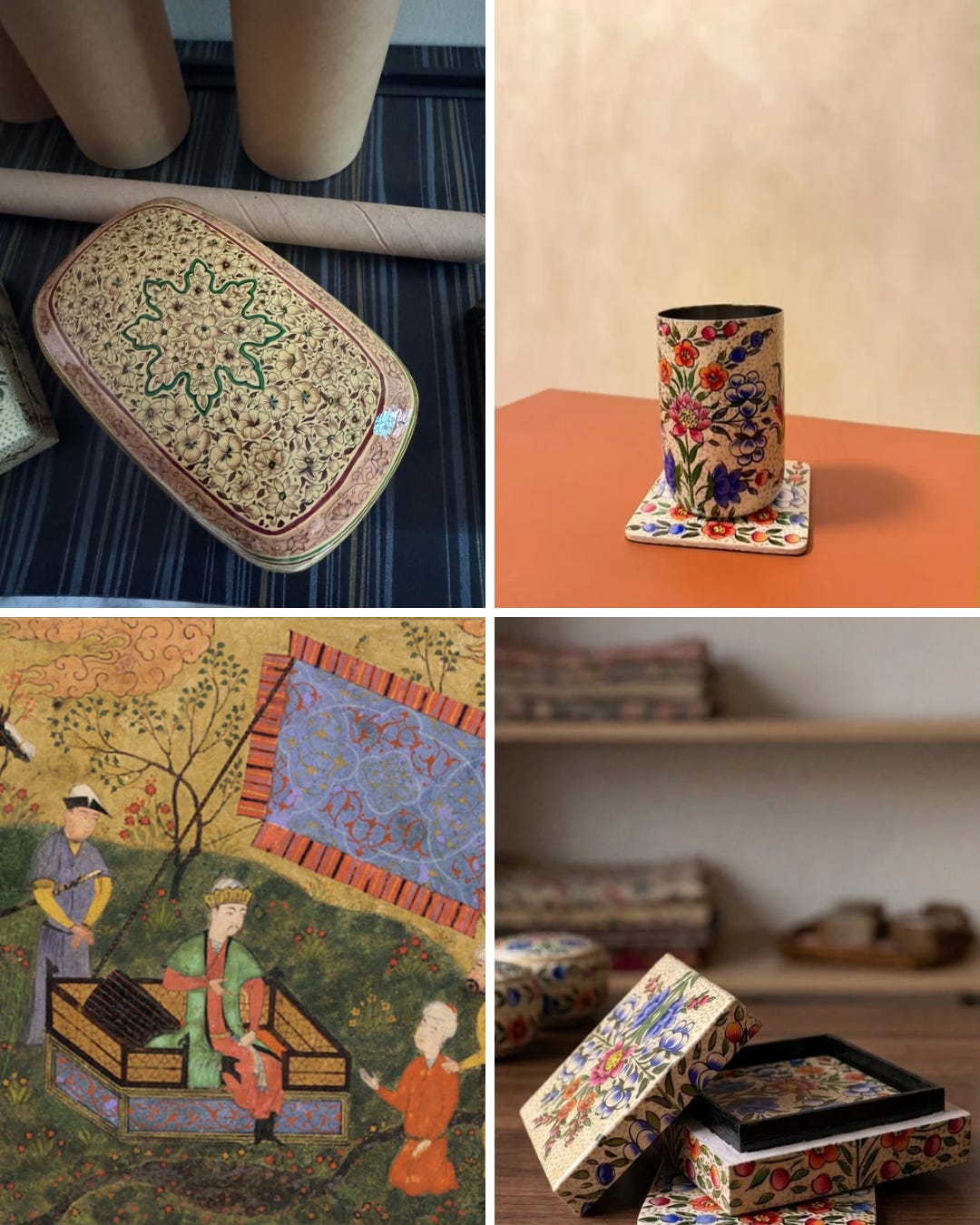
I first discovered papier-mâché through Agha Shahid Ali’s poetry. After years of reading his haunting poems about the Valley, paper-mâché came back to mind while I was researching handicraft items for Boho Haat.
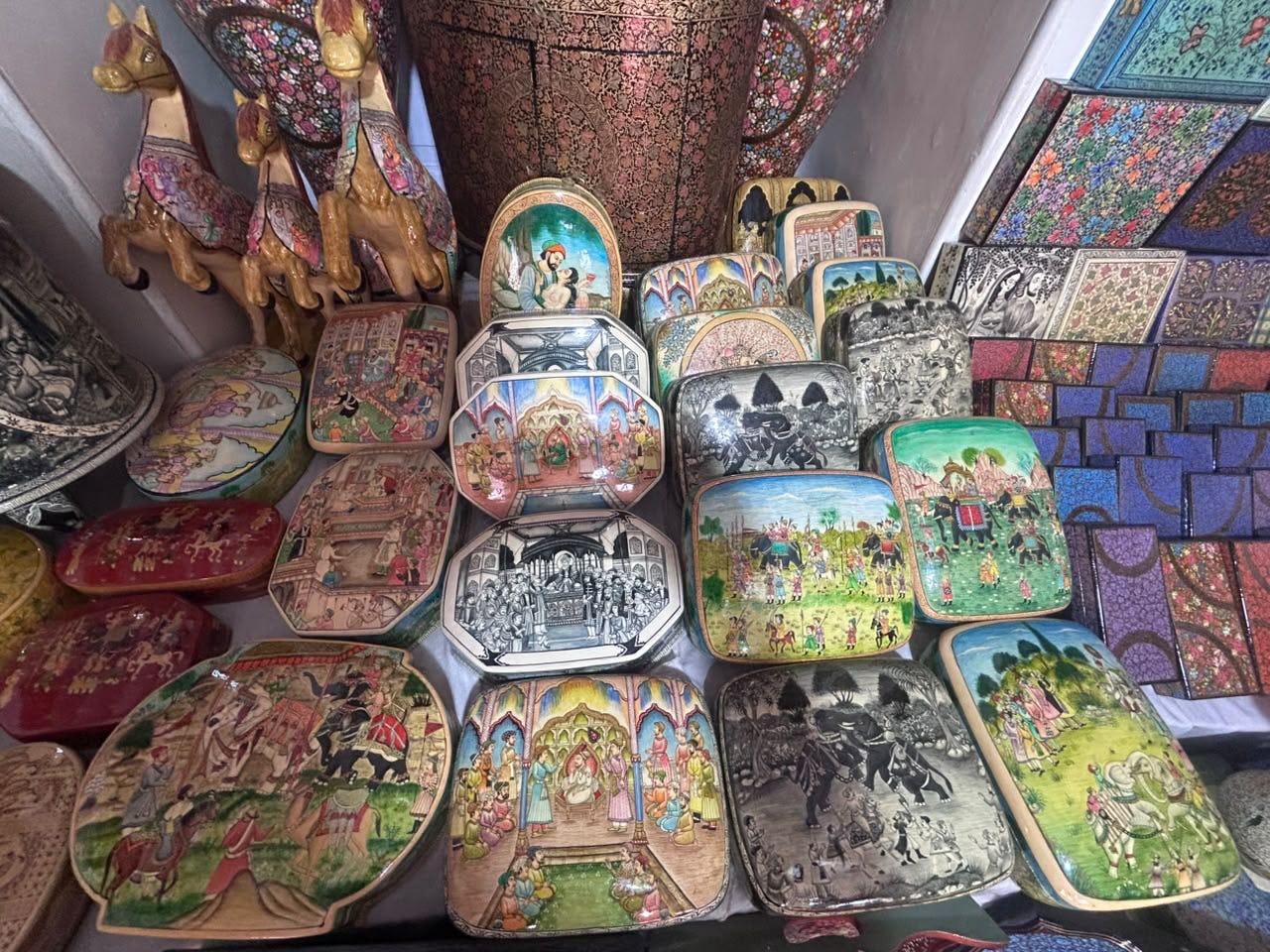
When I initially reached out to artisans in the Valley, they sent over a few sample boxes featuring detailed naqashi hand-painting. I was captivated by the intricate motifs, especially a full imperial court and folktale scenes rendered across the lid of a single box, capturing the oral traditions into art.
The term is French, and it translates literally to “chewed paper.” Mâché comes from mâcher, to chew, a reference to the soft pulp that paper is reduced to before it is molded. Kashmir never needed the French name. Artisans there call the craft kar-i-qalamdani.
History of Kashmiri Papier-Mâché
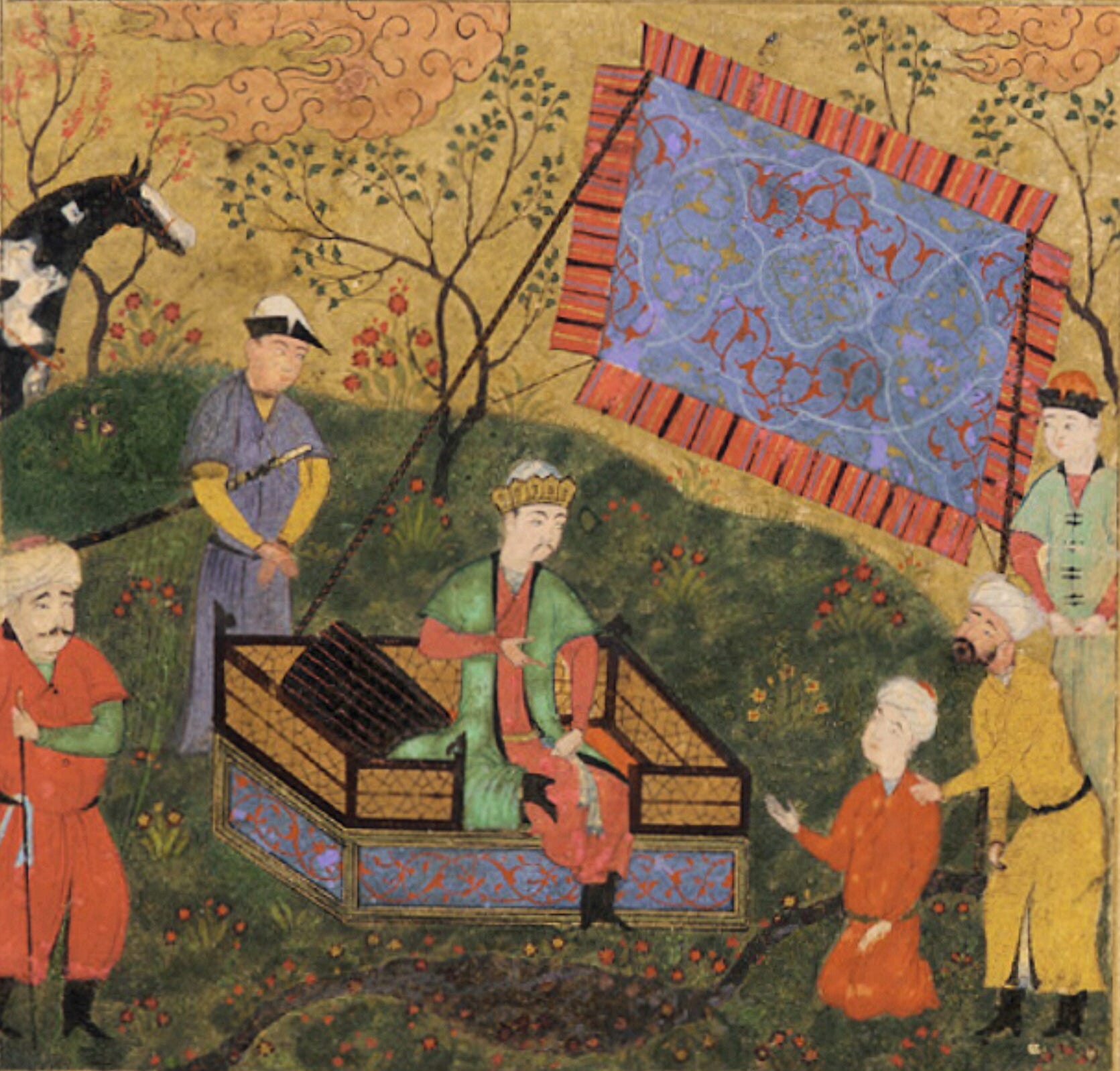
Kashmiri papier-mâché usually comes back to two men: Mir Sayyid Ali Hamadani and Sultan Zain-ul-Abidin.
Mir Sayyid Ali Hamadani, known as Shah-i-Hamadan, was a Persian Sufi scholar who shaped much of Kashmir’s cultural and religious life in the late 14th century. Tradition holds that he arrived with 700 followers, among them artisans skilled in crafts from Central Asia and Persia. Many of the Valley’s handicraft traditions are credited to this moment, papier-mâché among them.
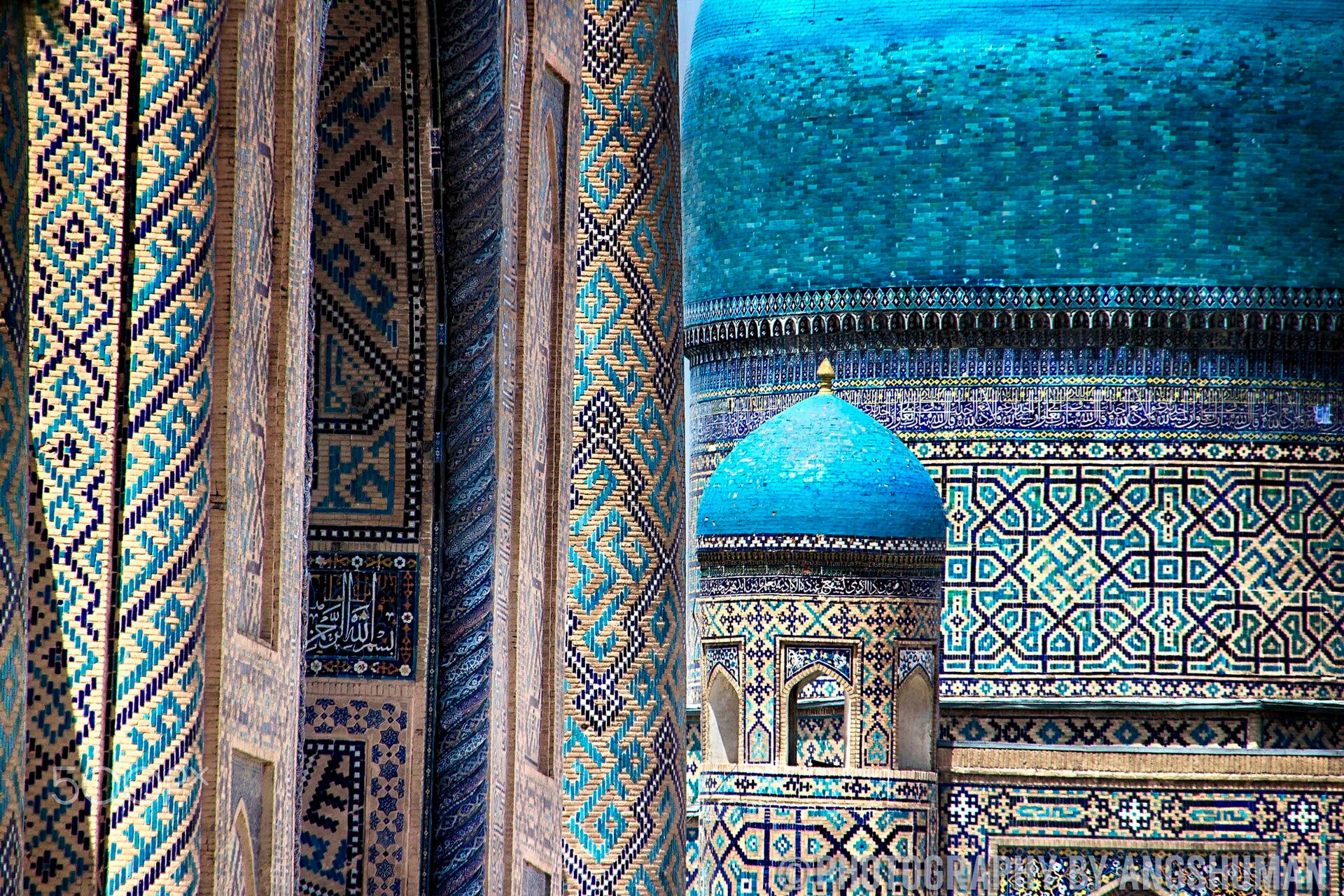
Sultan Zain-ul-Abidin, ruled in the 15th century and is the Valley’s great patron of craft. According to traditional accounts, he spent time in Samarkand, where he observed the city’s administration, crafts, and architecture. He returned determined to bring those skills home, and he invited artisans into Kashmir and gave them royal support.
I felt this connection myself while watching a documentary on Samarkand. When the Bibi-Khanym Mosque appeared on screen, with its vast portals and dense surface ornament, I could sense a visual language that Kashmir’s painted boxes still carry.
Manufacturing and the Process
“It takes a day to make one coaster”,
The artisan told me. In a mass market built on speed, that can sound like bad business. But what you pay for is time, and here time is the whole craft.
Most of this work is commissioned, made to order rather than stocked, and the Valley has fewer artisans each year to take it on. The work is divided between two kinds of specialists. The sakhtsaz builds the form, and the naqash paints it. It takes years to learn.
It begins with materials that would otherwise be thrown away: discarded paper, scraps of cloth, and straw from the rice plant. These are soaked and broken down into a pulp, which is pressed over a mold to build the shape. The piece is then dried, smoothed, and coated with a base before the painting begins.
The language of motifs
Motifs in this craft keep a close bond with whatever inspired them, and they take their names from it. The floral patterns include:1
Kaleen, after the carpet
Kashan, a carpet design named for the Iranian city
Jamavar, after the shawl Kashmiris wear
Gul-andar-gul, “flower upon flower,” a sign of how intricate the design is
Gul-i-hazara, “a thousand flowers”
Gul-e-wilayat, “foreign flowers”
Bagaldar chinar, a type of chinar leaf
Beyond pattern, the lid becomes a stage for narrative. Artisans paint kings and queens, pirs and their disciples, lovers like Shirin and Farhad, and even political feuds. Scenes from the courts of Shah Jahan and Akbar, and the stories of Noor Jehan, form a category known as Mughal design.
Boho Haat Kashmiri Papier-Mâché
Boho Haat is the commercial vertical of Bohemian Dialogue, dedicated to preserving traditional crafts. Every year, traditional artisans are forced to abandon the heritage art of Kashmiri papier-mâché in search of alternative livelihoods.
As a heartfelt thank you to our Bohemian Dialogue family, we’re offering an exclusive 40% off.
Use code BRINGKASHMIRTOYOURHOME at checkout to explore the collection and bring a piece of this heritage home.
https://www.sahapedia.org/kashmirs-papier-mache-craft-archive-its-people-and-their-history