

Sat Sri Akal!
This concept of Sat (Truth) serves as the core of this newsletter. This expression draws deeply from Ankit Chadha’s dastangoi performances on Kabir.
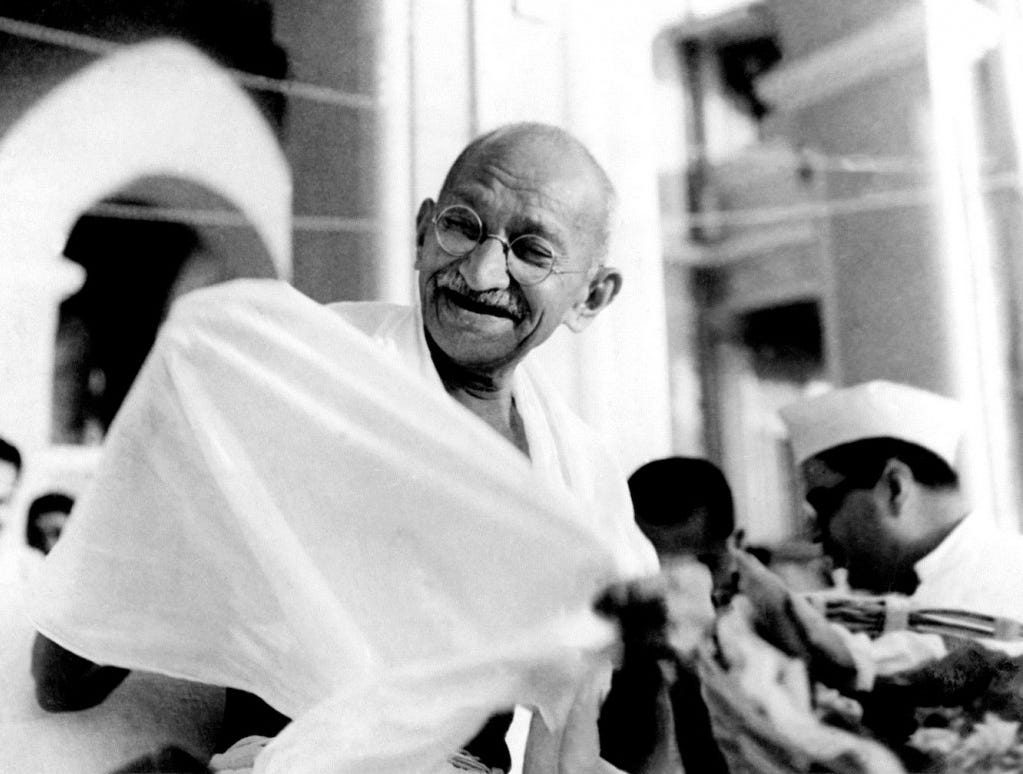
Throughout history, two figures stand out for dedicating their entire lives to this pursuit: Mahatma Gandhi and Kabir. Both believed that Truth is God, and both conceptualized God as Ram, to the formless Absolute (Nirguna Brahman)1.
In the Collected Works of Mahatma Gandhi, Gandhi references Kabir frequently. One can easily draw parallels between their lives, specifically in their unwavering commitment to non-violence (Ahimsa) and their relentless struggle for Truth (Satyagraha).
While I am neither a professional biographer nor a Gandhian scholar, the following aspects of his life stood out to me most during my reading.
Gandhi and Kabir
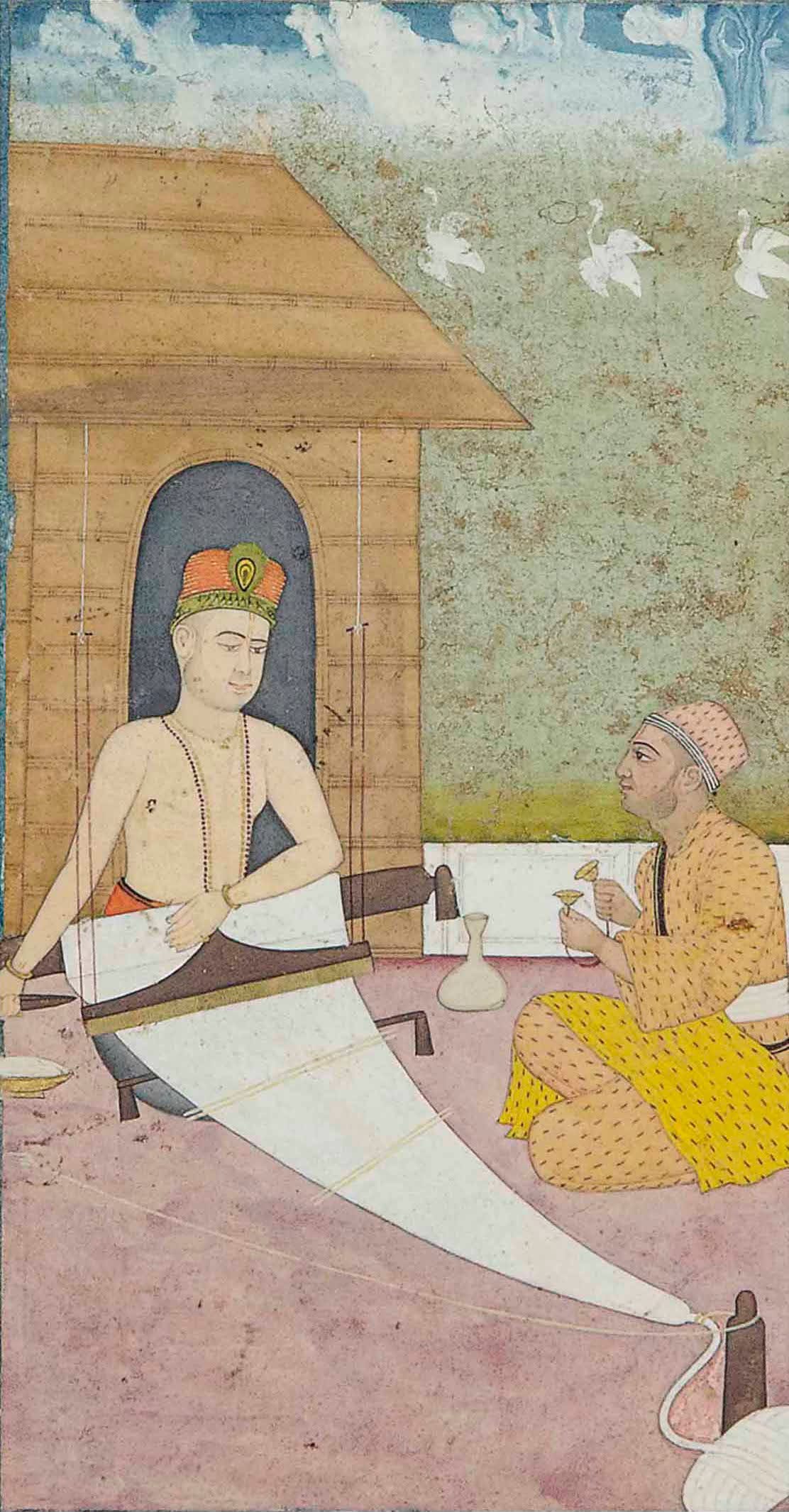
Kabir, one of the greatest saint and poet of the 15th century. Who doesn’t know Kabir; Every child in India has grown up with Kabir Doha (Couplet). But how many of us know Kabir?
How much do we understand him beyond the familiar verses, something far too vast to be contained in a single newsletter? What we often inherit instead are fragments: stories that attempt to gesture toward his greatness.
One such story is this:
Kabir was born in Varanasi (Banaras). It is widely believed that one who dies in Varanasi attains liberation. Not far from it lies Maghar, which, according to the same belief, denies that liberation and one is born as donkey to those who die there.
And yet, in his final years, Kabir chose to leave Varanasi and go to Maghar.
That was the nature of the man.
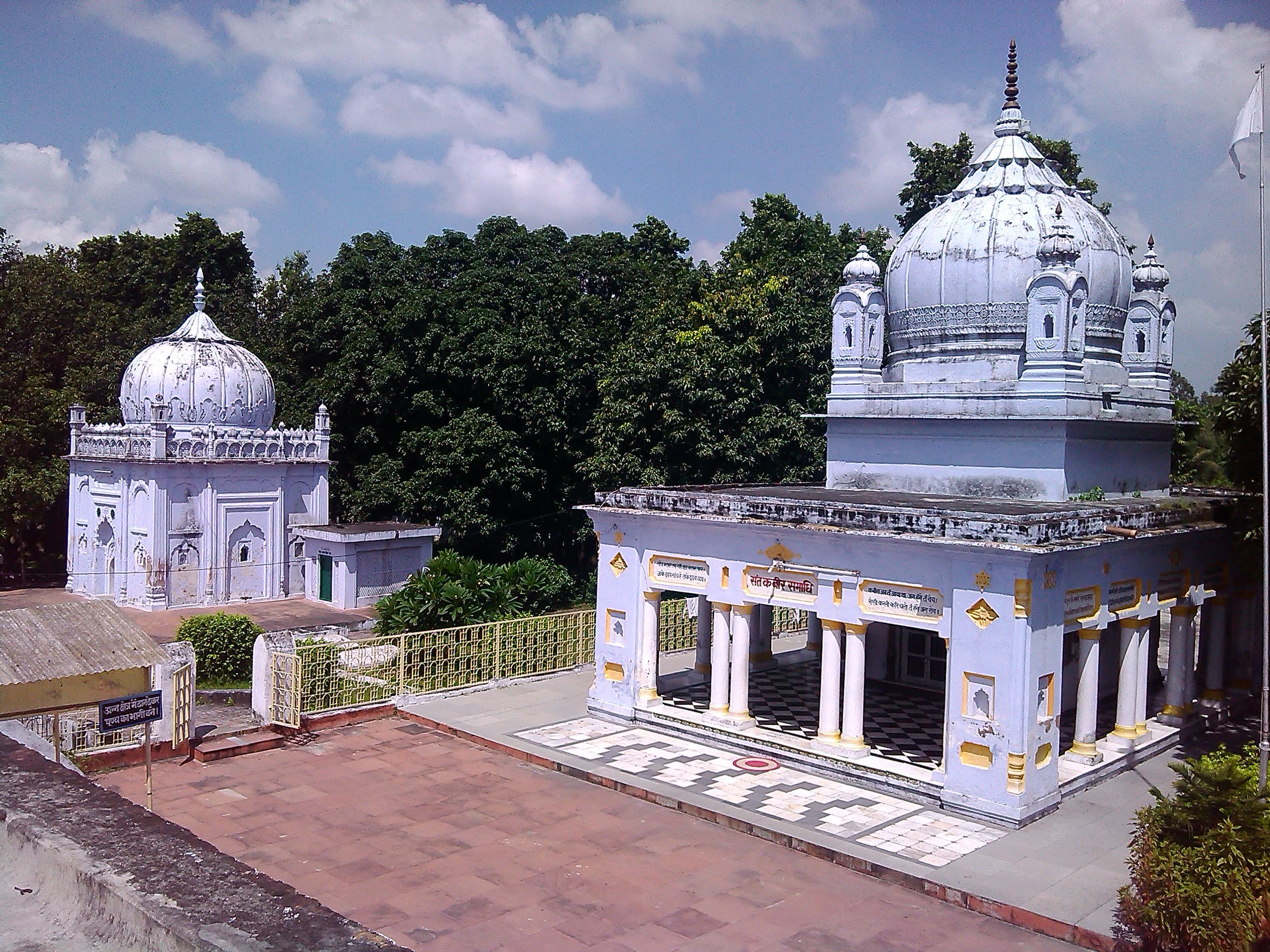
When Kabir passed away in Maghar, a dispute arose between Hindus and Muslims over whether his body should be cremated or buried. The situation grew tense, almost like a conflict between his followers. According to legend, a voice urged them to look beneath the sheet covering his body. To everyone’s astonishment, instead of his body, they found two flowers. Each group took one, performing their respective last rites. Over time, two memorials were built, and for over 500 years, both traditions have been honored side by side2.
This enduring harmony brings to mind Mahatma Gandhi, who gave his life for unity and peace. In his collected works, Gandhi mentions Kabir many times, reflecting the lasting influence of Kabir’s message of oneness and harmony.
Gandhi and Kabir carried one message and that can be explained by Kabir doha.
Kabir says:
Pothi Padh Padh Kar Jag Mua, Pandit Bhayo Na Koye
Dhai Aakhar Prem Ke, Jo Padhe so Pandit HoyeReading books everyone died, none became any wise
One who reads the word of Love, only becomes wise3
When one reads Gandhi’s autobiography, it is impossible to miss Mahatma Gandhi’s deep sensitivity especially in his early days and when he went to England for his studies. His autobiography is, in many ways, a record of that sensitivity toward himself, toward others, and toward Truth4.
Yet the image of Gandhi today feels different. On the internet, there is often a reluctance to even call him “Mahatma,” and the criticism he receives can seem louder than the understanding he invites.
Perhaps this is where a reminder is needed, especially for those of us shaped by the immediacy of the online world. As Alexander Pope wrote in his poem, An Essay on Criticism.
“Nor in the critic let the man be lost!
Good nature and good sense must ever join;
To err is human; to forgive, divine.”5
Gandhi and My Search for Him
This newsletter was perhaps the most difficult one to write. Still, I want to share my experience of trying to understand the Mahatma and what it means to truly encounter Mahatma Gandhi.
I began my journey at Rajghat, the place most of us know as the site of his cremation. As I parked my car, I noticed a neighboring complex, Darshan Smriti. Inside, I found a museum dedicated to his life. It houses the very vehicle that carried his body, along with personal artifacts.
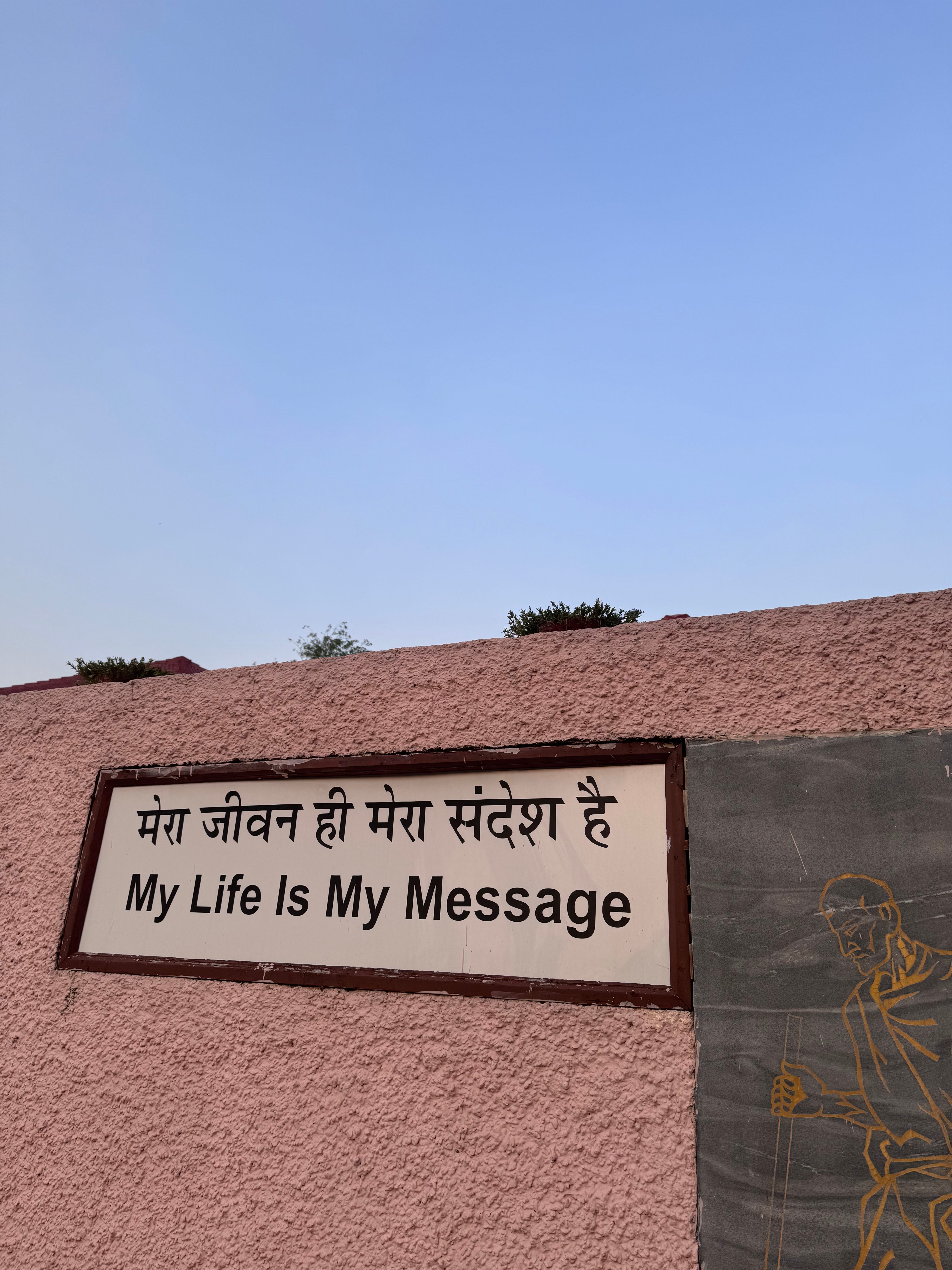
What struck me most, however, was the vast open space designed for walking and reflection. Moving through it, I found myself turning inward. It is easy to judge Gandhi from a distance, but this space challenged me to examine my own actions, both good and bad. In an unexpected way, it shifted the focus from judging him to confronting myself.
If there is one gift I could offer to those who judge Gandhi, it would be a mirror. I would give it to anyone who criticizes him without first taking the time to read and understand him.
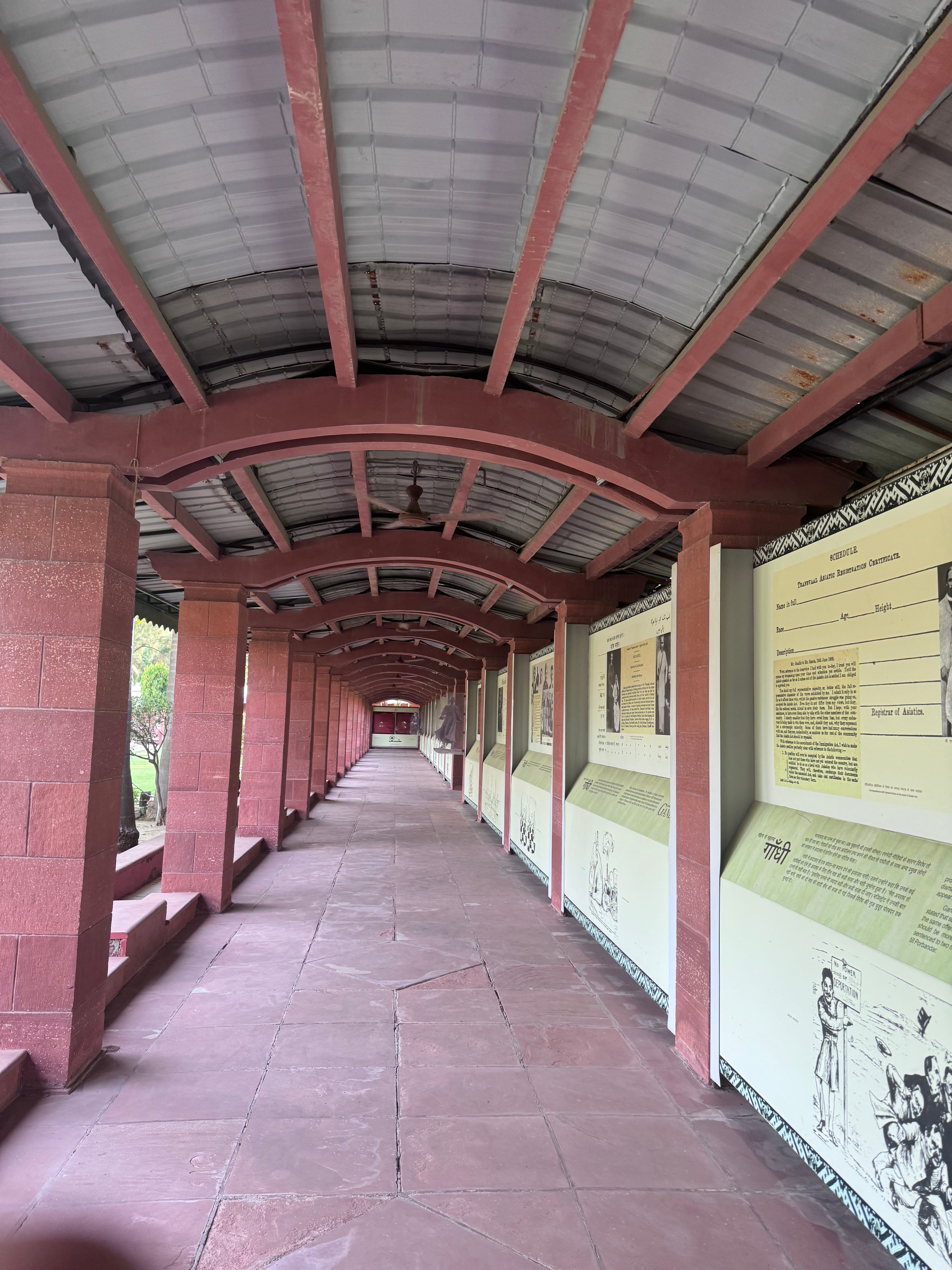
My next stop was Gandhi Smriti, also known as the former Birla House, where he was assassinated. As I entered through the gate, I was struck by the scale of these Lutyens-era homes, set amidst expansive gardens.
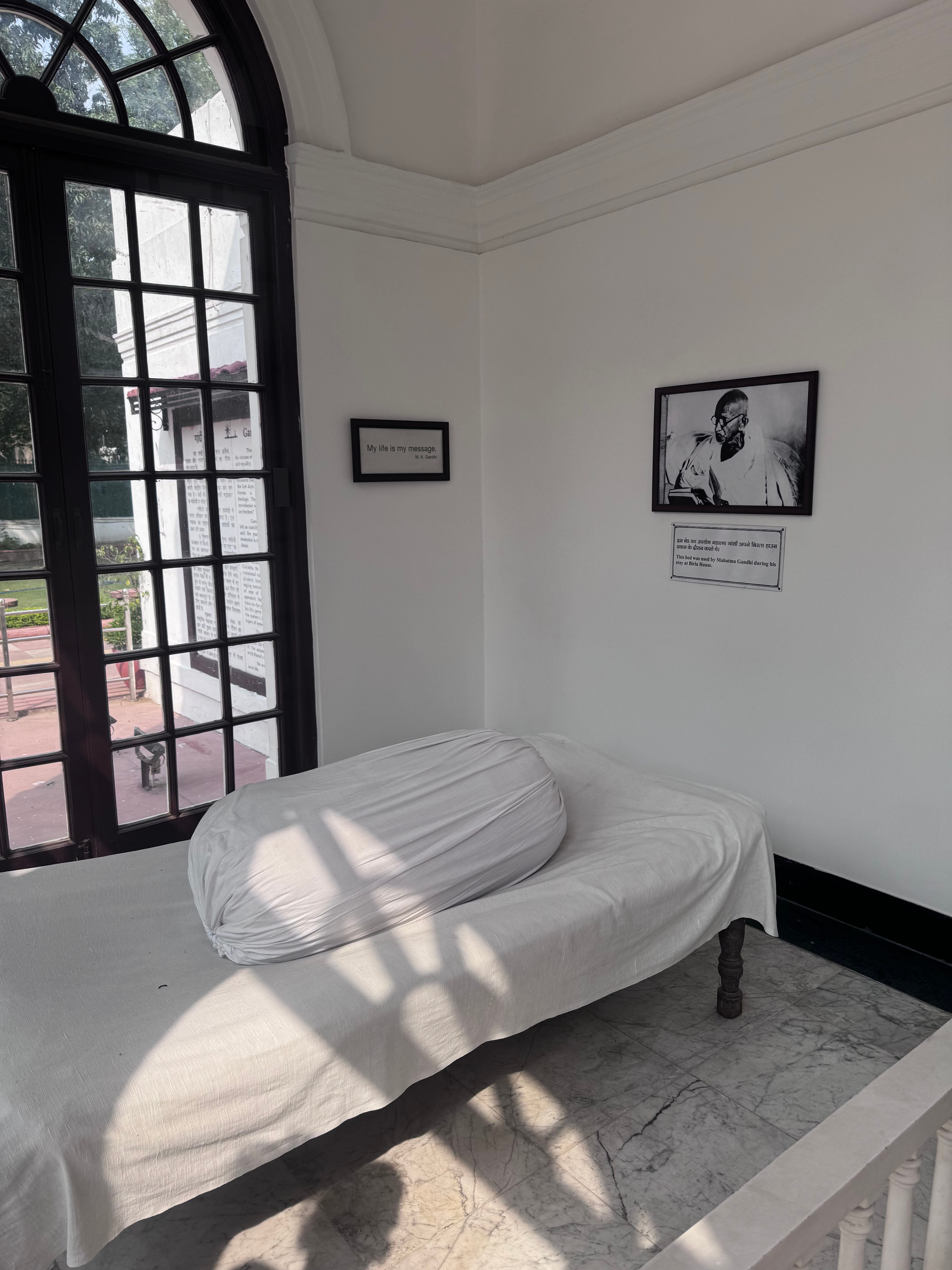
On a quiet Sunday afternoon, the space felt almost empty, apart from a few visitors and the staff who maintain the premises. Standing alone at the site where his daily prayer meetings once took place, I became aware of a different kind of solitude. It was not just physical, but intellectual. In that vast space, I felt the distance between the world we live in and those who still choose to believe in his ideas.
Notes and References
An Autobiography by M.K. Gandhi